Reconnect with Massage

22


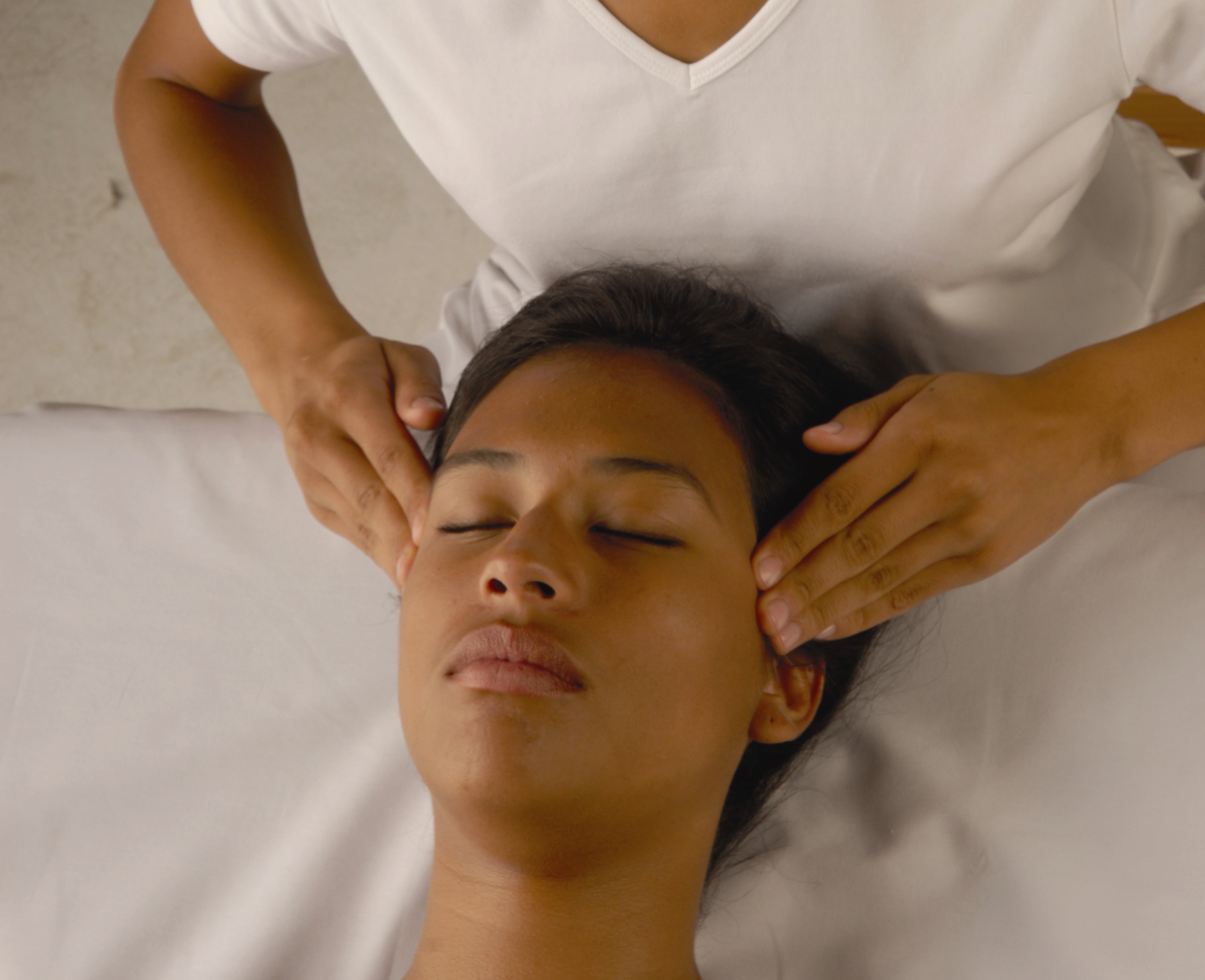
Touch is a powerful ally in the quest for physical and mental health. It not only can help you be more in tune with your body, but it can help create a sense of wellness and “wholeness” that is often lost in our segmented, over scheduled lives. When we regain that connection, it’s much easier to remember that our bodies are something to be cherished, nurtured, and loved, not belittled, betrayed, and forgotten.

Book next appointment! 651-300-2256

Manage Stress

Woman stressed


Experts estimate that upwards of ninety percent of disease is stress related. And perhaps nothing ages us faster, internally and externally, than high stress. While eliminating anxiety and pressure altogether in this fast-paced world may be idealistic, massage can, without a doubt, help manage stress.

Book your next appointment!

Senior Massage

38


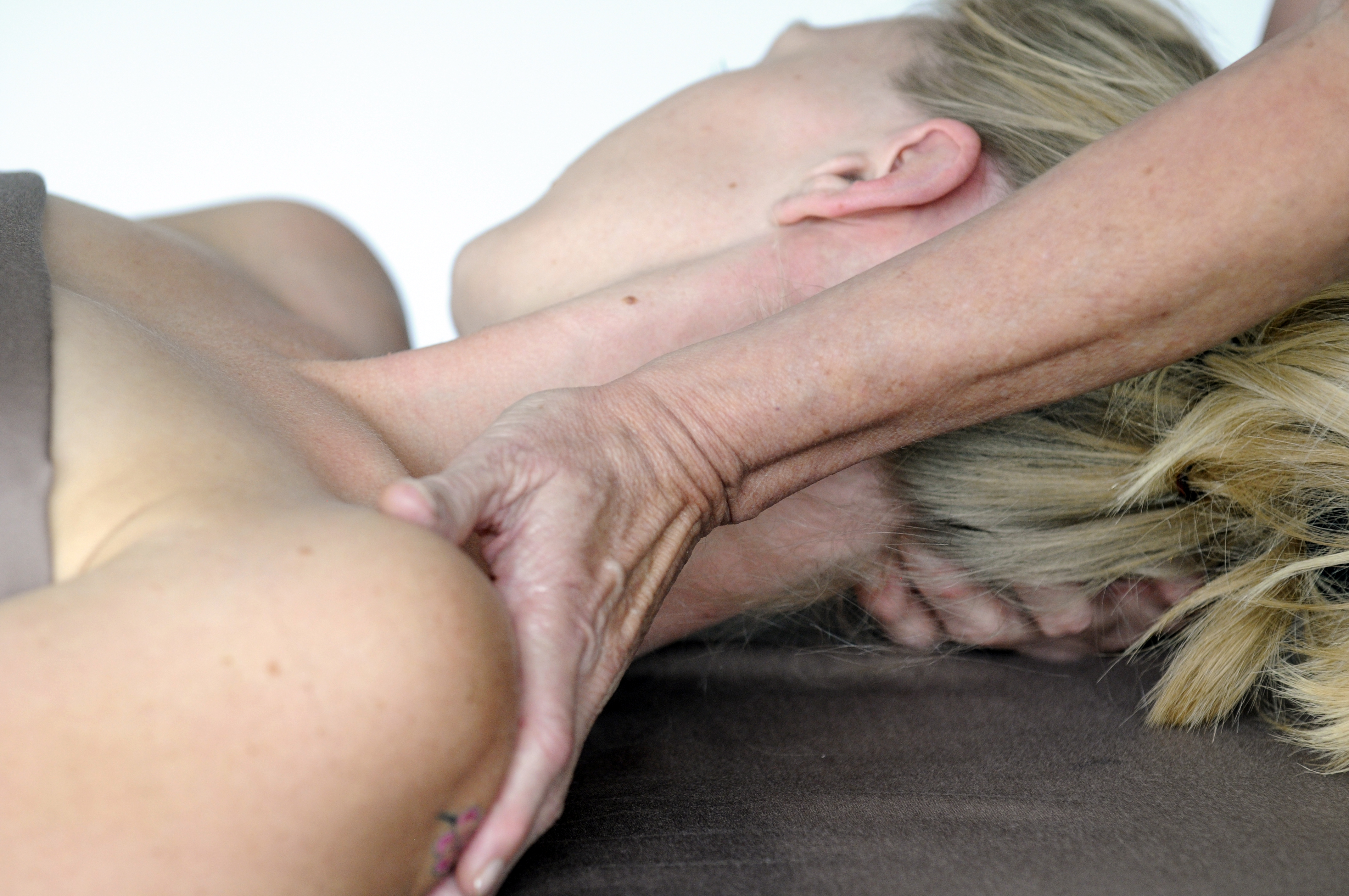
Senior massage can increase blood circulation, combat depression, improve balance and flexibility, reduce the pain of arthritis, increase joint mobility, improve posture, and encourage overall well-being.

Book your next appointment!

Sports Massage

3


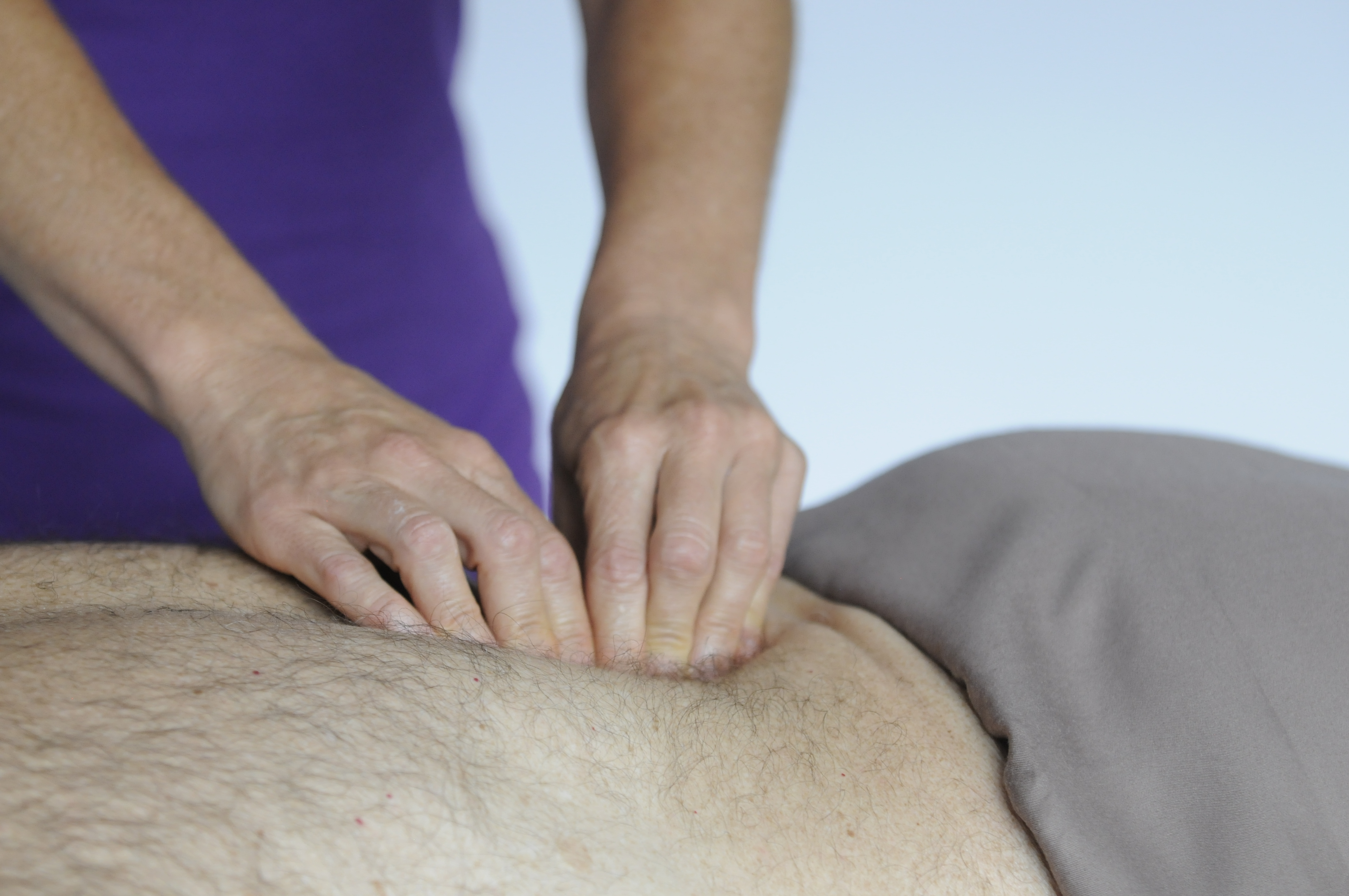
Sports massage is particularly beneficial for anyone who routinely stretches physical limits through movement. Swimmers, weight lifters, runners, golfers, ball players, skaters, dancers, tennis players, musicians, and boxers, as well as weekend warriors and those who practice strength training or aerobics.

Book your appointment at Essential Therapeutic Bodywork and discover the benefits of a professional massage therapist.

Where Will My Massage or Bodywork Session Take Place?

data=RfCSdfNZ0LFPrHSm0ublXdzhdrDFhtmHhN1u-gM,xDOlr7SCrXmccfQJj4mrxRs4cQY_VT_YYY8ZyLV2WIPMKM9USAqy7AD_pGGZTUav4SkeShxuC-AjaDmkXDHG5lVJqXzqtdyHPzOwLONUZSBAqq1yoQDgZ9GSfnw

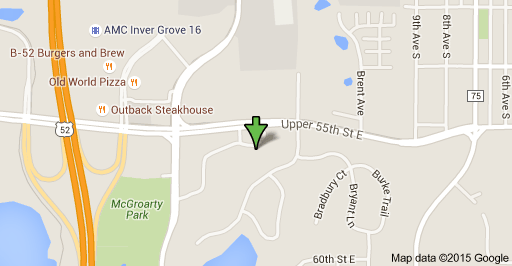
Your massage or bodywork session will take place in a warm, comfortable, quiet room. Soft music will be played to help you relax. You will lie on a table especially designed for your comfort. Essential Therapeutic Bodywork is located in a professional business location and setting. 5778 Blackshire Path, Suite 200 Inver Grove Heights, 55076

Book your appointment  with Monica and discover the benefits of a professional massage therapist.

3 Must Do After Taking Antibiotics

Antibiotics are given to destroy bacteria that is causing an illness, but antibiotics kill all bacteria. They don’t discriminate between the harmful and the beneficial ones. Every time we take antibiotics, we destroy the natural balance in our gastrointestinal tract. When we take antibiotics and other medication, we change the gut’s pH (acid/alkaline balance) and let the harmful bacteria take over. Usually, around 400 species of bacteria live side by side in your stomach and intestines – that’s more bacterial organisms than there are known stars is the sky. However, when the pH changes, yeasts, parasites, E. coli and similar harmful bacteria can hijack your body and cause conditions such as candidiasis (known to most modern women), leaky gut syndrome, allergies, chronic fatigue syndrome, Irritable Bowel Syndrome (IBS), eczema, Crohn’s disease, to name a few. So it is extremely important to prevent that from happening, and to keep our digestive tract in a state of balance. This can be particularly challenging after a course of antibiotics.

  • The first thing you need to do is to provide dietary support to the remaining beneficial bacteria. You do this by eating prebiotics, which are non-digestible fiber that stimulate the growth and/or activity of advantageous bacteria that colonize the large bowel. In other words, you need to eat lots of raw, preferably organic, vegetables and fruits. Some suggest that after taking antibiotics, your diet should comprise 80% of fruit and vegetables, priority given to vegetables.
  • Second, avoid all processed sugars as they are food for yeast (such as candida) and bad bacteria. Even fruit that is high in sugar, and different healthier sugar varieties (honey, fruit juice) should be limited while you recover from antibiotics.
  • Next, a healthy digestive system needs probiotics, also known as beneficial bacteria. They balance the gut and support its function by restoring healthy pH levels and fighting pathological bacteria. Very conveniently, fermented foods abound in beneficial lactic acid bacteria, which are the force behind fermentation. A cup of fizzy kefir, a helping of old-fashioned sauerkraut, a portion of natural yoghurt, will all provide a dose of probiotics that can go to work once they reach your gut. Other examples of fermented foods include kombucha, miso and tempeh. But be careful what you buy. It can be difficult to get your hands on food that has been fermented in the traditional way, and many supermarket-sold products undergo thermal processing which kills the good bacteria. So read the labels carefully, or you’ll be gulping down sugary yogurts and pasteurized pickles that can do you more harm than good. You can read more about fermented foods in my previous article. Eating fermented foods regularly is also one of the 70 habits featured in the e-book 70 Powerful Habits For A Great Health which will guide you how to take positive steps to improve your wellness and overall health.

To sum it up, after taking antibiotics, make sure you eat right, and avoid being naughty. Load up on greens and vegetables, skip processed sugars, and eat fermented foods galore. In this way you’ll repopulate your gut with good bacteria and restore your immune function. 70% of immune system sits in your digestive tract, so it’s definitely worth the effort!

Jet Lag!

Tired young man sleeping at the airport lounge - Waiting for flight

Jet lag, also called jet lag disorder, is a temporary sleep disorder that can affect anyone who quickly travels across multiple time zones. Jet lag is caused when your body’s internal clock or circadian rhythms, which tell your body when to stay awake and when to sleep in the old time zone, are out of sync with cues from the new time zone, such as light exposure and dining times. The more time zones crossed, the more likely you are to experience jet lag.

Jet lag can cause daytime fatigue, an unwell feeling, difficulty staying alert and gastrointestinal problems. Jet lag is temporary, but it can significantly reduce your vacation or business travel comfort. Fortunately, there are steps you can take to help prevent or minimize jet lag.

A key influence on your internal clock is sunlight. That’s because light influences the regulation of melatonin, which in turn is a synchronizing signal to cells throughout the body.

Certain cells in the tissue at the back of your eye (retina) transmit the signal of light to an area of your brain called the hypothalamus. At night, when this signal is low, the hypothalamus tells the pineal gland, a small organ situated in the brain, to release the hormone melatonin. During the day, the light signals to the hypothalamus result in the opposite, such that the pineal gland produces very little melatonin.

You may be able to ease your adjustment to your new time zone by exposing yourself to daylight in the new time zone so long as the timing of light is done properly.

Your body’s internal clock or circadian rhythms are influenced by exposure to sunlight, among other factors. When you travel across time zones, your body must adjust to a new daylight schedule and reset, allowing you to fall asleep and be awake at the appropriate times.

Light therapy can help ease that transition. It involves exposing your eyes to an artificial bright light or lamp that simulates sunlight for a specific and regular amount of time during the time when you’re meant to be awake.

This may be useful, for example, if you’re a business traveler and are often away from natural sunlight during the day in a new time zone. Light therapy comes in a variety of forms including a light box that sits on a table, a desk lamp that may blend in better in an office setting or a light visor that you wear on your head.

#jetlag