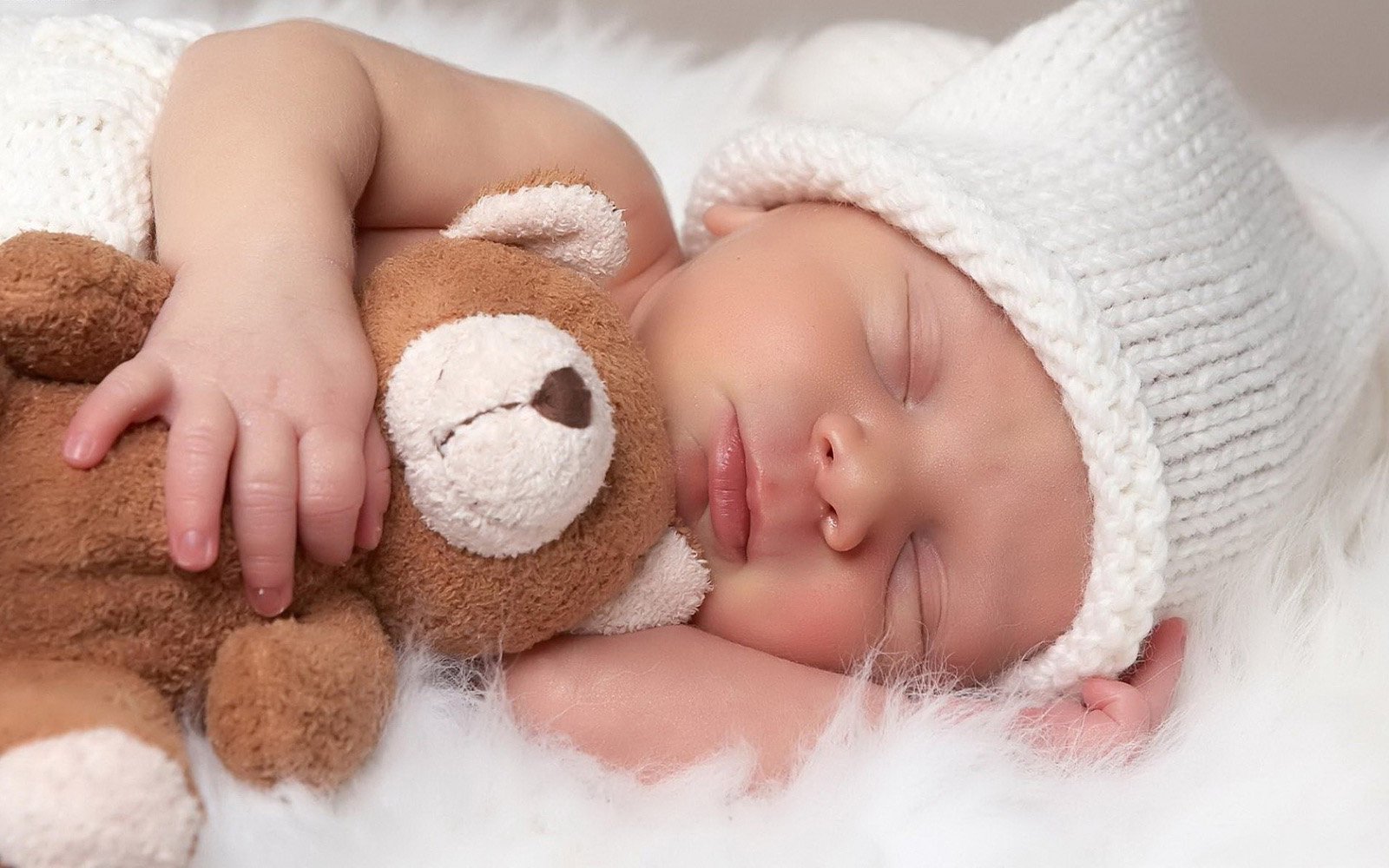
Tips for Sleeping Better

baby

Ban Blue Light in the Bedroom

Insomnia feeds on the minor details of modern life, like the soft blue glow from a cell phone, PDA, or digital clock resting on your bedside table. The short waves of blue light may interfere with sleep.
Tip: Turn off TVs, computers, and other blue light producers an hour before sleep. Cover any blue displays you can’t shut off.

Seal the Mattress

The sneezing, sniffling, and itching of allergies can cause fragmented sleep — and your mattress may be to blame. Over time, it can fill with mold, dust mite droppings, and other allergy triggers. Avoid these sleep wreckers by sealing your mattress, box springs, and pillow.
Tip: Air-tight, plastic, dust proof covers work best.

Reserve the Bed for Sleep and Sex

Experts say sleep and sex should be the only pastimes pursued in the bedroom. Don’t balance the checkbook, talk on the phone, or watch TV. Everything about the room should be associated with rest and relaxation.
Tip: The best sleep temperature for most people is between 68-72 degrees.

Rethink Your Drink

Although the tranquilizing effects of alcohol may make you sleepy at bedtime, beware — after the initial effects wear off, alcohol actually causes more frequent awakenings at night and less restful sleep.
Tip: Warm milk or chamomile tea are better beverage choices in the evening.

Keep Pets Off the Bed

A cat or dog’s night moves can prevent you from settling into the deep sleep you crave. They can also bring fleas, fur, dander, and pollen to your bed, triggering sleep-wrecking allergies.
Tip: Ask your vet or animal trainer how to recondition your pet to sleep, happily, in its own bed.

When Insomnia Means Something More

Sleep tips are nice when your insomnia is fleeting. But if your sleeplessness persists for at least a month, it’s time to delve deeper into what’s going on. Insomnia may be a symptom of an underlying problem. Depression is notorious for causing insomnia, as are other medical conditions, such as acid reflux, asthma, arthritis, and some medications. Chronic insomnia deserves a closer look and evaluation by a doctor.

How Much Sleep Do Children Need?

The amount of sleep a child needs varies depending on the individual and certain factors, including the age of the child. Following are some general guidelines:

1-4 Weeks Old: 15 – 16 hours per day
Newborns typically sleep about 15 to 18 hours a day, but only in short periods of two to four hours. Premature babies may sleep longer and colicky ones shorter. Since newborns do not yet have an internal biological clock, or circadian rhythm, their sleep patterns are not related to the daylight and nighttime cycles. In fact, they tend not to have much of a pattern at all.

1-4 Months Old: 14 – 15 hours per day
By 6 weeks of age your baby is beginning to settle down a bit, and you may notice more regular sleep patterns emerging. The longest periods of sleep run four to six hours and now tends to occur more regularly in the evening. Day-night confusion end.

4-12 Months Old: 14 – 15 hours per day
While up to 15 hours is ideal, most infants up to 11 months old get only about 12 hours of sleep. Establishing healthy sleep habits is a primary goal during this period, as your baby is now much more social, and his sleep patterns are more adult-like. Babies typically have three naps and drop to two at around 6 months old, at which time (or earlier) they are physically capable of sleeping through the night. Establishing regular naps generally happens at the latter part of this time frame, as the biological rhythms mature. The midmorning nap usually starts at 9 a.m. and lasts about an hour. The early afternoon nap starts between noon and 2 p.m. and lasts an hour or two. And the late afternoon nap may start from 3 to 5 p.m. and is variable in duration.

1-3 Years Old: 12 – 14 hours per day
As your child moves past the first year toward 18-21 months of age he will likely lose his morning and early evening nap and nap only once a day. While toddlers need up to 14 hours a day of sleep, they typically get only about 10. Most children from about 21 to 36 months of age still need one nap a day, which may range from one to three and a half hours long. They typically go to bed between 7 and 9 p.m. and wake up between 6 and 8 a.m.

3-6 Years Old: 10 – 12 hours per day
Children at this age typically go to bed between 7 and 9 p.m. and wake up around 6 and 8 a.m., just as they did when they were younger. At 3, most children are still napping, while at 5, most are not. Naps gradually become shorter as well. New sleep problems do not usually develop after 3 years of age.

7-12 Years Old: 10 – 11 hours per day
At these ages, with social, school, and family activities, bedtimes gradually become later and later, with most 12-years-olds going to bed at about 9 p.m. There is still a wide range of bedtimes, from 7:30 to 10 p.m., as well as total sleep times, from 9 to 12 hours, although the average is only about 9 hours.

12-18 Years Old: 8 – 9 hours per day
Sleep needs remain just as vital to health and well-being for teenagers as when they were younger. It turns out that many teenagers actually may need more sleep than in previous years. Now, however, for many teenagerssocial pressures conspire against getting the proper amount and quality of sleep.

Sleep?

Did you know that a 60 minute massage is about the same as 7 to 8 hours of sleep to your body?

Secrets of Sleep

We’ve all heard it before: get your eight hours of sleep and watch your life improve. But the reason we’ve all heard it is because it’s true, and research keeps showing the importance of sleep and its variety of health benefits.

The National Sleep Foundation says there is no “magic number” of hours for optimum sleep benefits, but that different age groups, and even different individuals, need different amounts of sleep. General recommendations are 7-8 hours per night for adults, while children often need 10-11 hours. Getting less than what you need has been linked to an increased risk of diabetes, heart problems, psychiatric conditions, and more.

Here’s a quick look at some new findings that reveal the secrets of sleep, and also how to get more of it.

– Sleep Suppresses Appetite: Just one night of sleep loss can increase brain activity in the region that contains appetite sensation in response to food images, increasing the long-term possibility of becoming overweight. “Lack of Sleep Makes Your Brain Hungry,” The Journal of Clinical Endocrinology Metabolism.

– Naps for Your Noggin: The right side of the brain, which is generally associated with creativity, is active during so-called power naps, while the left brain remains mostly quiet. While it is not clear what exactly is happening during these brief rest periods, researchers suspect the brain is conducting important memory tasks. “‘Power Naps’ May Boost Right-Brain Activity,” Health.com.

– Cherry on Top: Drinking tart cherry juice increased melatonin in study participants, improving sleep efficiency, quality, and time. “Effect of Tart Cherry Juice on Melatonin Levels and Enhanced Sleep Quality,” European Journal of Nutrition.
Jed Heneberry
#sleep